
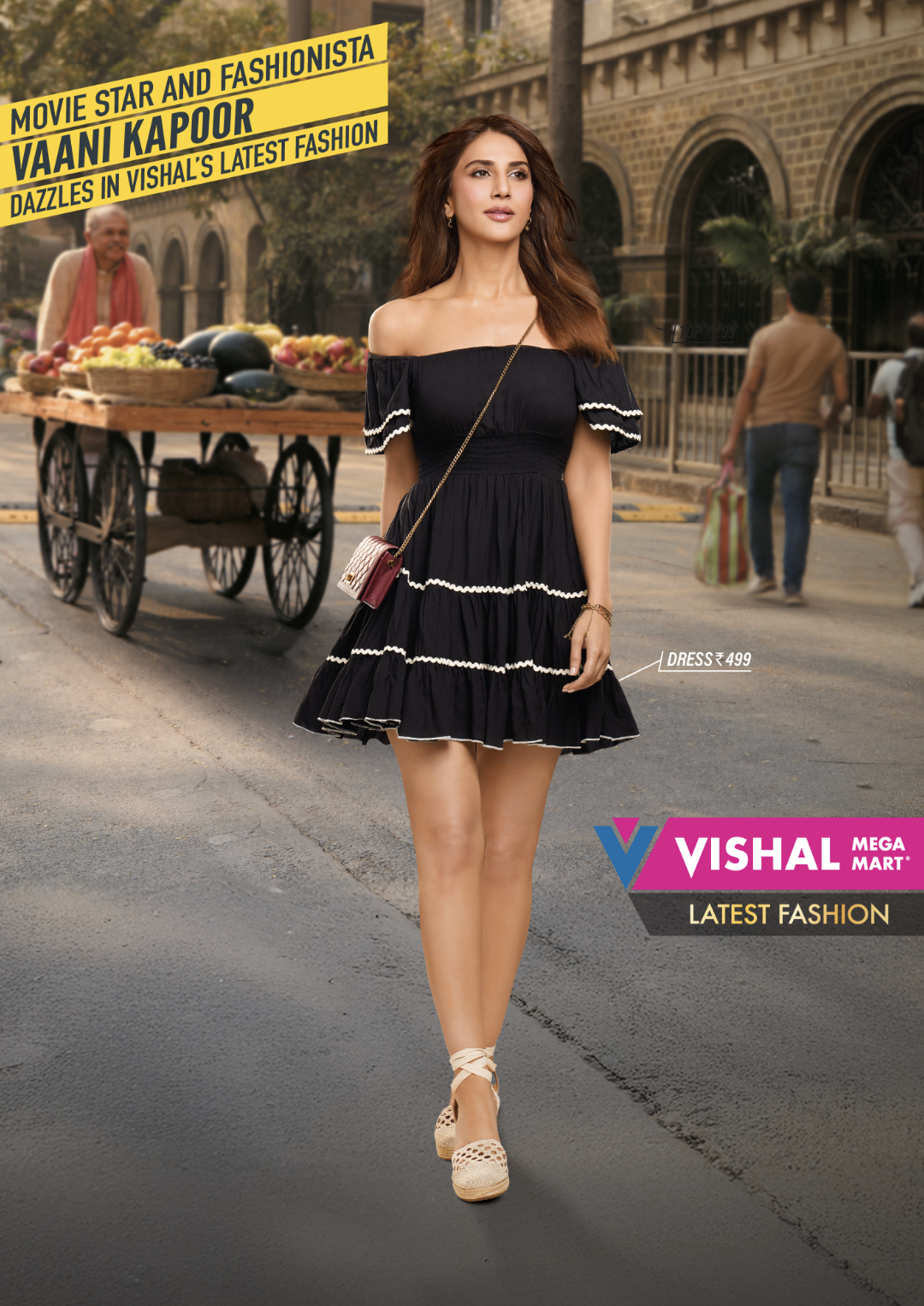
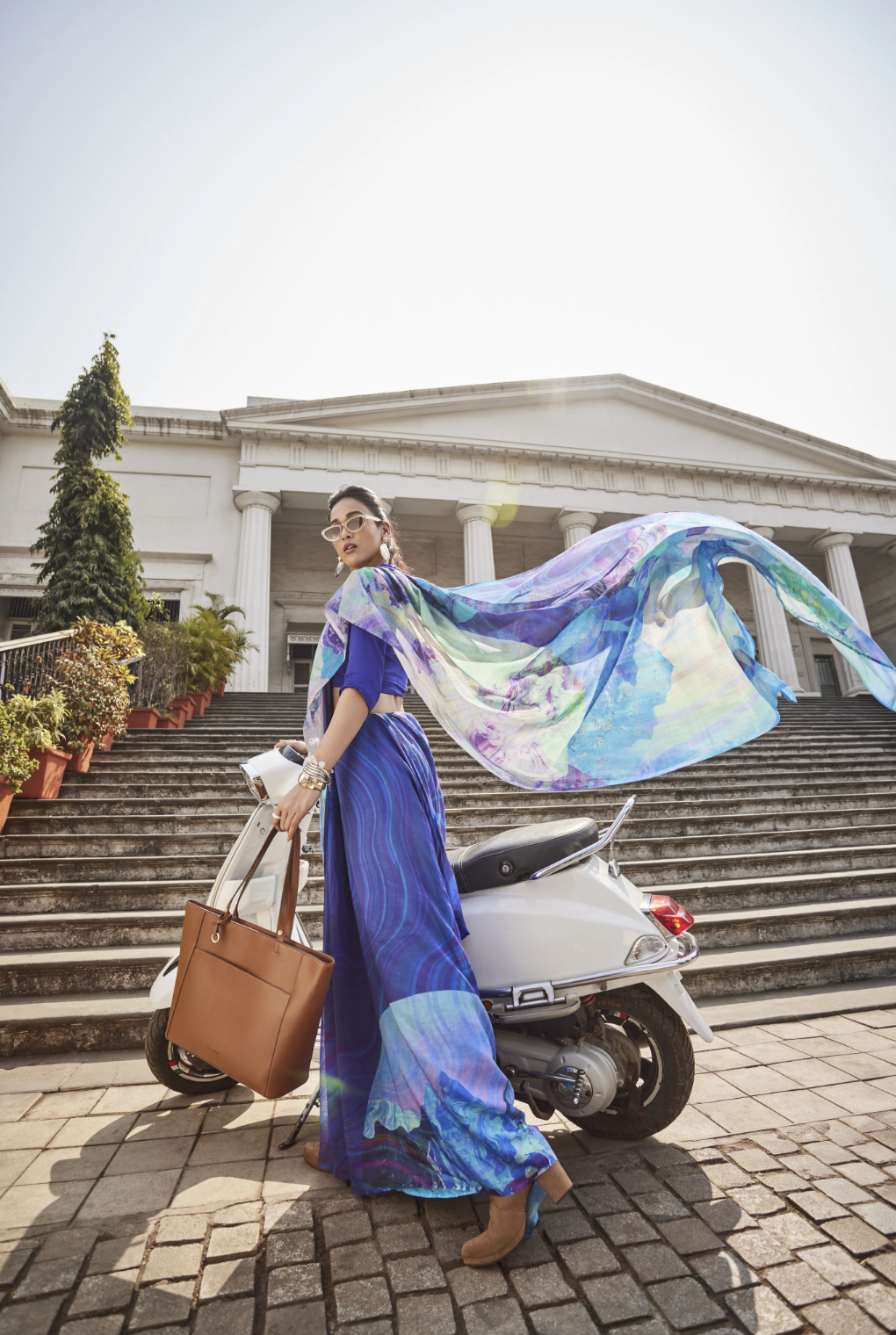
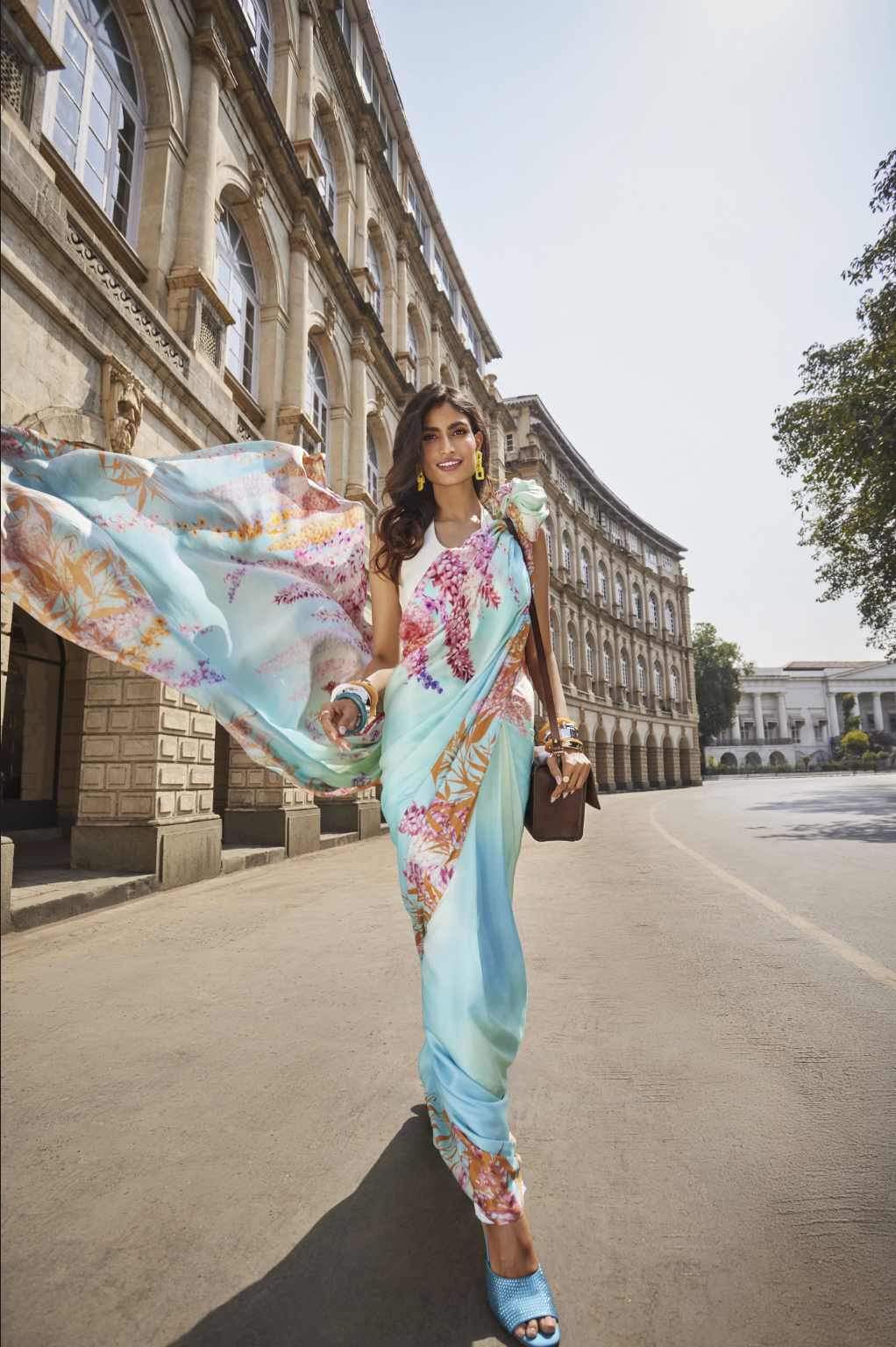
Mumbai has been called the City of Dreams so many times that the line almost feels tired now.
For fashion and advertising, the more interesting Bombay is not just the dream. It is everything that happens behind it.
It is a garment bag lying in the back of a cab. A model changing shoes between two shots. A stylist running through Bandra with hangers in hand. A tailor finishing one last stitch before call time. A crew waiting for the rain to stop. A casting room. A dockyard morning. A Fort building. A tiny studio. A sea-facing road. A deadline that everyone somehow meets.
That is what makes Bombay powerful for brands.
The city does not make fashion feel still. It makes it move.
A campaign shot here already has energy before the camera even starts rolling. Clothes do not just sit perfectly in a frame. They travel, commute, work, party, wait, run, get caught in the rain and still make it to the next scene.
That feels like a real fashion story.
For Gen Z and young urban audiences, that matters. They are not only looking for polished glamour anymore. They want something that feels styled, but still alive. They want a frame where something is happening. Something slightly messy, slightly fast, slightly real.
Bombay gives brands that naturally.
Yes, the city has film culture, fashion weeks, celebrities, sea-facing luxury and all the glamour we already know. But the side that brands can explore more is the city of making. Tailors, garment lanes, workshops, docks, printers, leather units, markets, delivery networks, studios and street sellers — all of this is part of the fashion ecosystem too.
For a campaign, that opens up a more honest story.
Not just the final outfit.
The process before it.
The people around it.
The city carrying it.
A streetwear campaign can live in Bandra lanes, docks and night streets. A workwear film can move through trains, offices and cutting tables. A luxury story can use Art Deco buildings and old cinemas without looking like a postcard. A rainwear or footwear campaign can own the monsoon instead of avoiding it.
Bombay also gives brands content without trying too hard. BTS feels real here. Reels have movement. Still images have texture. Every corner has a different pace — crowded, glossy, wet, tired, ambitious, chaotic, alive.
That is the Bombay worth looking at.
Not just Marine Drive.
Not just Bollywood.
Not just dreams.
Bombay is where the product enters real life.
And when the idea is sharp enough, the city does not just support the campaign.
It becomes the campaign.