
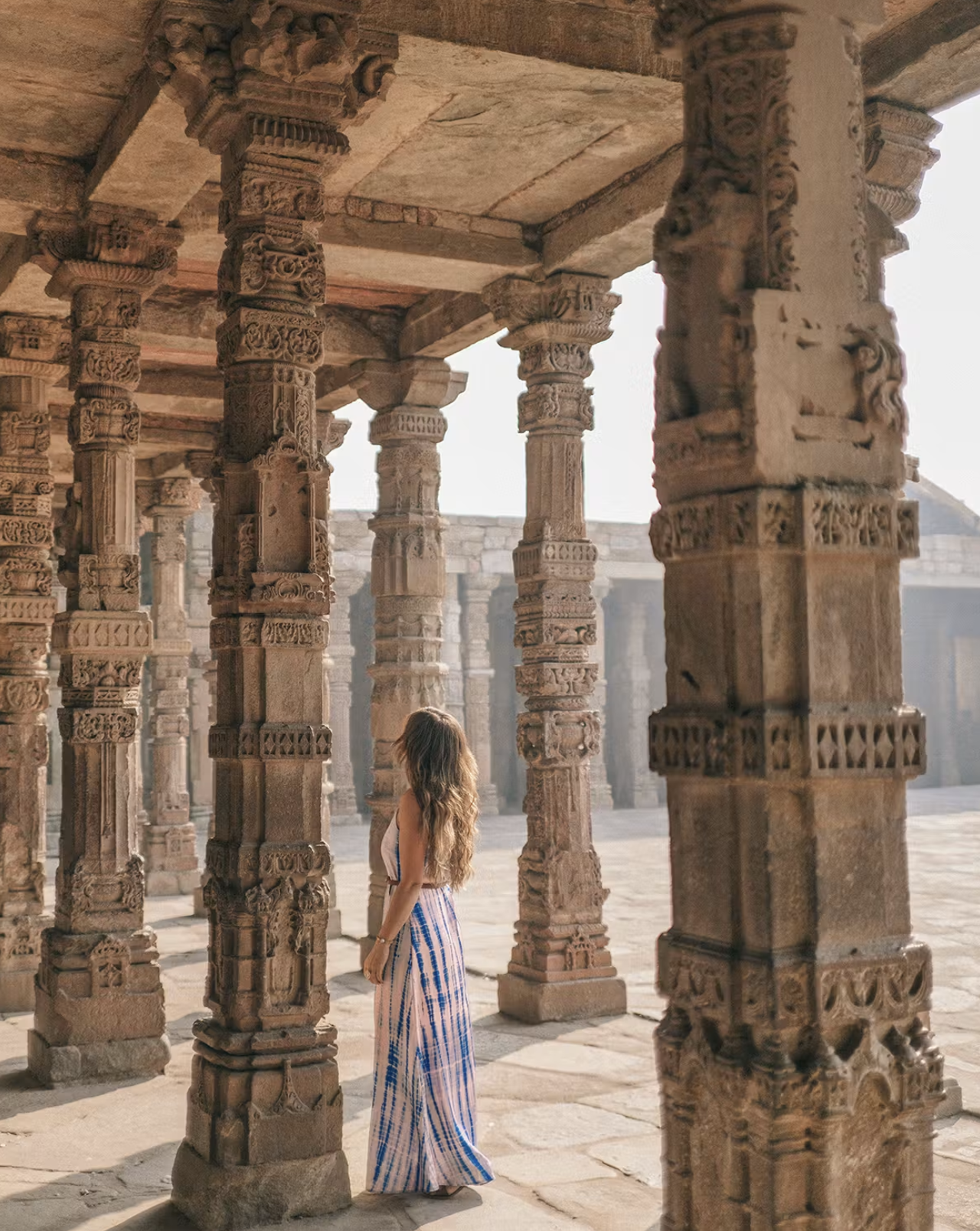
Fashion campaigns are no longer just about clothes. They are about the world the clothes live in.
That is why old streets, heritage locations and historic backdrops are suddenly getting so much attention in fashion and advertising. These places do not just make a frame look beautiful. They give it memory, mood and a sense of culture that a plain studio wall cannot always create.
For years, brands relied on clean sets and polished studio visuals. It looked premium, but after a point, everything started feeling a little too perfect. Today’s audience wants something with more texture. They want visuals that feel lived-in, cinematic and real.
Delhi gives you exactly that.
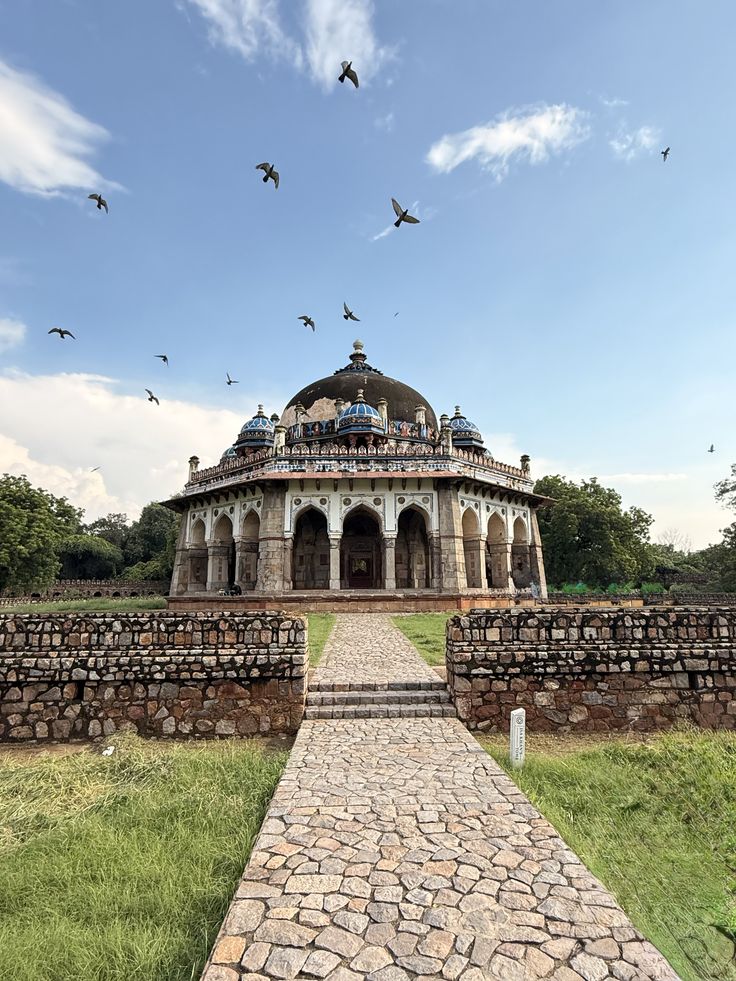
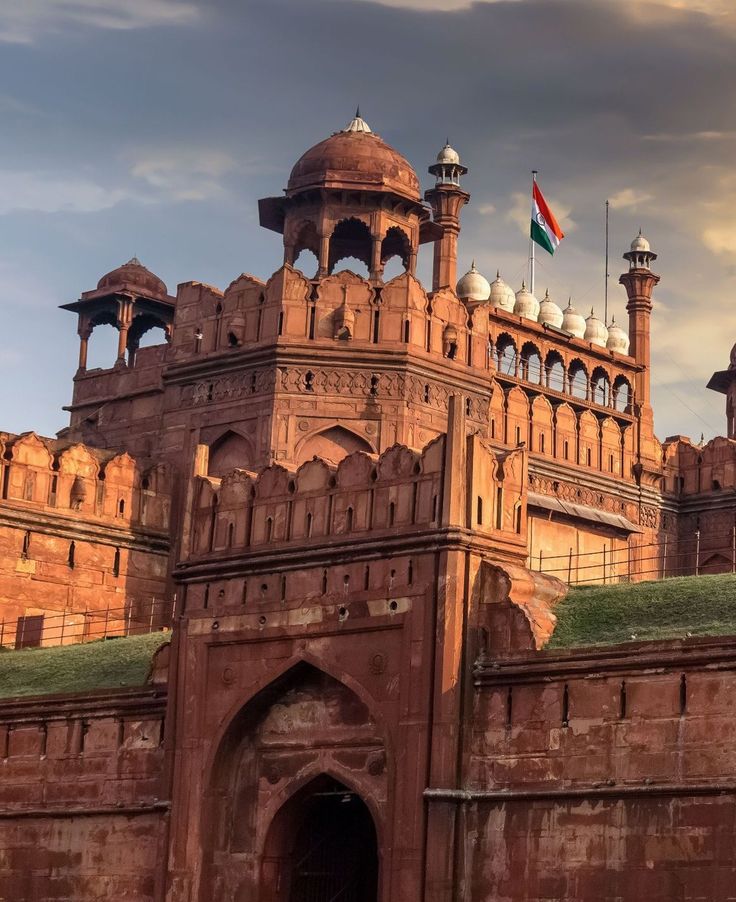
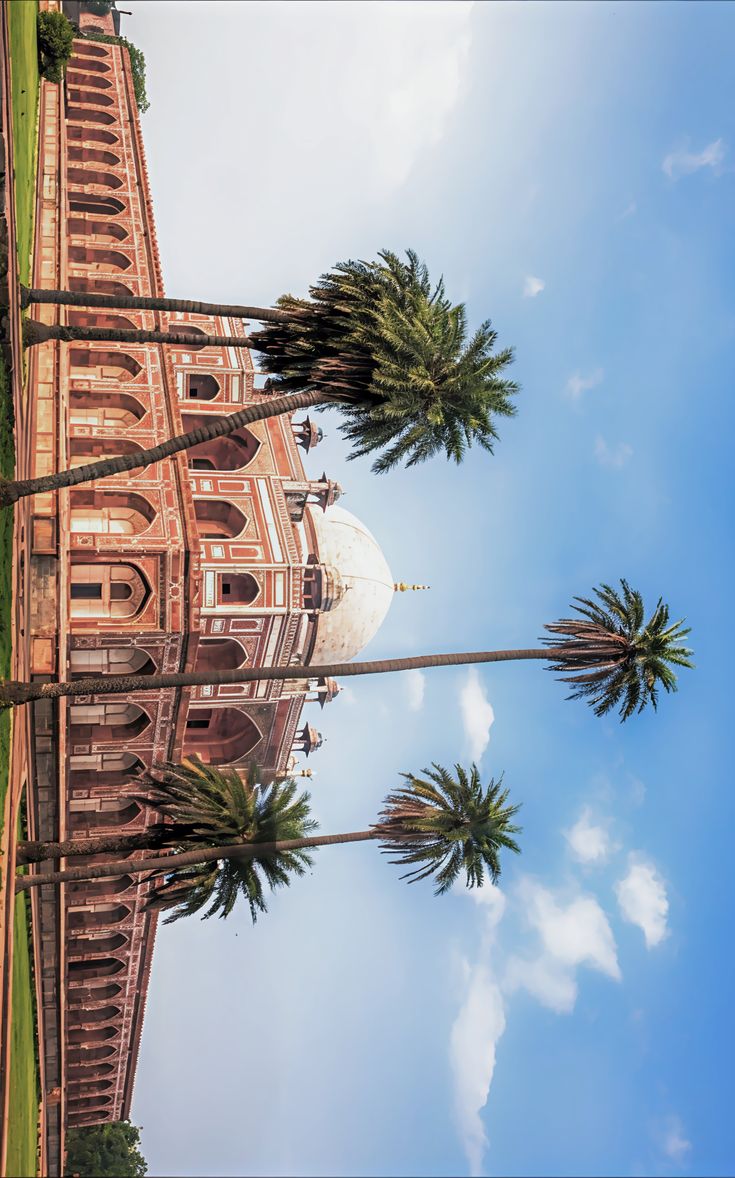
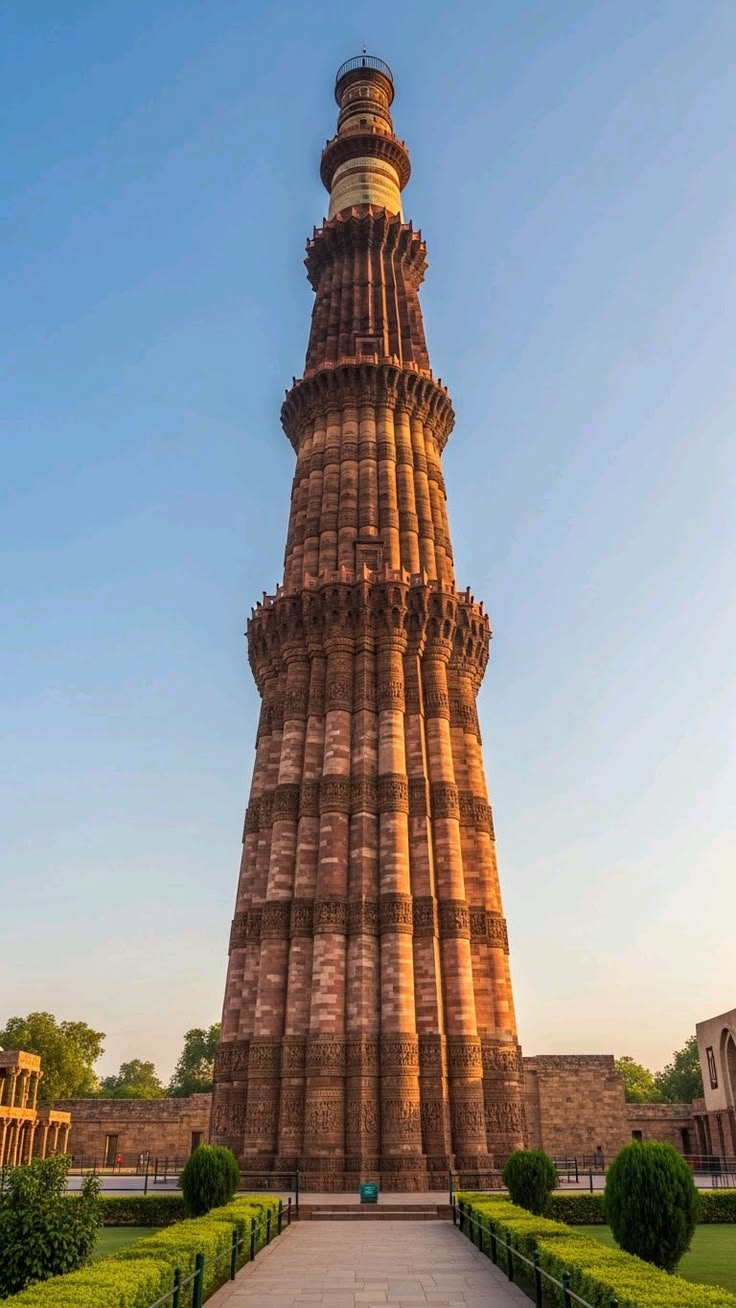
Old Delhi lanes, Red Fort, Lodhi, Chandni Chowk, Jama Masjid rooftops, old havelis and heritage courtyards already come with character. The walls have age. The streets have movement. The architecture has drama. When fashion enters these spaces, the frame instantly becomes bigger than the garment.
A kurta against an old arch feels rooted. Streetwear in a narrow lane feels unexpected. Festive wear inside a courtyard feels warmer. Luxury fashion against heritage architecture feels timeless. The location quietly starts doing half the storytelling.
And that is why heritage has become a strong marketing tool.
Brands today are not just selling products. They are selling identity, feeling and culture. A strong location helps shape all three. It tells the audience what the campaign is about before a single line of copy appears. It can make a collection feel nostalgic, premium, youthful, Indian, festive or editorial — depending on how it is shot.
Some of the strongest fashion moments have understood this well. Dior’s Mumbai show at the Gateway of India was not remembered only for the clothes. It became a cultural moment because of where it happened. Torani’s Red Fort campaign felt larger than a lookbook because the location gave the visuals scale and emotion. Street-style shoots in Delhi work because they bring fashion closer to real people, real neighbourhoods and real movement.
That is the shift: from lookbook to brand world.
Gen Z connects with this even more because they do not look at heritage only as history. They see it as aesthetic energy. A monument becomes a reel backdrop. A market lane becomes a styling story. A rooftop becomes an atmosphere.
For them, the magic is in contrast — old walls with new silhouettes, ethnic wear with sneakers, luxury fashion inside everyday streets. It feels fresh because it does not look forced.
From a marketing point of view, heritage locations also create stronger recall. People remember where something was shot. They share the frame because it feels different. Social teams get stronger stills, BTS moments, reels and campaign hooks. The location becomes part of the content strategy.
Delhi’s biggest advantage is its range. One city can give you chaos, nostalgia, festive warmth, street culture, luxury and editorial scale.
Historic locations are getting importance because audiences are tired of flat visuals. They want frames with depth, meaning and memory.
Old Delhi is not just old.
In the right frame, every wall, lane and arch becomes part of the brand story.